A choir can spend months polishing tone, tuning, blend, and diction, yet one week in a meaningful international setting can change the ensemble in a completely different way. Choir workshops abroad are not only about travel, and they are not simply about giving one more concert in a new venue. At their best, they reshape how singers listen, collaborate, and understand their place in a wider human community.
For choir directors and vocal leaders, that distinction matters. A standard tour may deliver applause and beautiful photos. A well-designed workshop abroad can do something deeper. It can strengthen musicianship, build trust within the ensemble, and place artistic growth inside a context of cultural exchange and shared purpose.
What makes choir workshops abroad different
The phrase gets used broadly, but not every international choir trip is truly workshop-centered. Some are mostly performance tours with a clinic added to the schedule. Others are built around education from the ground up, with masterclasses, conductor feedback, collaborative rehearsals, and space for cultural encounters that inform the music itself.
That difference affects outcomes. When singers spend real time learning with guest clinicians, meeting choirs from other countries, and adapting to new musical perspectives, they return home with more than memories. They come back more responsive, more curious, and often more unified.
This is especially valuable for ensembles at transition points. A youth choir preparing students for the next level, a church choir seeking renewed purpose, or a community chorus wanting fresh energy can all benefit from a workshop environment that stretches both skill and perspective.
The artistic value of choir workshops abroad
There is a practical reason conductors seek international workshop experiences. Singers learn differently when they step outside routine. Rehearsal habits become more intentional because the environment is new. Attention sharpens. Listening improves. Directors often notice that students who are passive at home become more engaged when they are working with a guest conductor or singing beside peers from another culture.
Workshops also create conditions for concentrated learning. Instead of one rehearsal each week squeezed between other obligations, singers may spend several days immersed in vocal technique, interpretation, movement, language coaching, and ensemble work. That kind of focused time can accelerate development in a way a regular season schedule rarely allows.
Still, the artistic gains depend on program design. A packed itinerary with little rehearsal depth may feel exciting but leave limited room for real growth. On the other hand, a schedule that balances workshops, performances, rest, and cultural exploration often produces stronger musical results. It depends on the goals of the ensemble. A collegiate chamber choir may want advanced conductor sessions and repertoire refinement. A school choir may need a more encouraging structure that builds confidence while expanding horizons.
Why the cultural setting matters
Music education does not happen only in rehearsal rooms. It happens in the spaces between events – on the bus, over shared meals, during conversations with local singers, and while standing in a city square hearing another language all around you.
That is one of the strongest arguments for choir workshops abroad. They teach singers that choral music is not isolated from life. It is connected to history, community, faith, ecology, migration, and identity. When students encounter those realities firsthand, repertoire can take on greater depth. Texts feel less abstract. Musical expression becomes more human.
For directors, this can be transformative. Instead of framing the trip as a reward after a successful season, it becomes part of the educational mission. The workshop is no longer an add-on. It becomes a living classroom where artistry and global citizenship meet.
Costa Rica, for example, offers a particularly compelling context for this kind of experience. Its emphasis on peace, environmental stewardship, and community aligns naturally with choirs that want travel to mean something beyond performance prestige. In that setting, singing can feel less like cultural consumption and more like cultural relationship.
Choosing choir workshops abroad with real purpose
Not every program that promises inspiration is built with the same care. For ensemble leaders, the challenge is knowing what to evaluate before making a commitment.
Start with the educational substance. Who leads the workshops, and what are their credentials? Is there a clear balance between performance and instruction? Will your singers receive active feedback, or are the workshop elements mostly symbolic? These questions matter because artistic legitimacy is one of the main reasons to invest in international participation.
Then consider the human side of the experience. Will your choir interact meaningfully with other singers, or simply perform near them? Is there an emphasis on collaboration, community outreach, or cultural exchange? Programs rooted in fellowship often leave a longer-lasting impact than those focused only on stage time.
Logistics deserve equal attention. Directors often carry the emotional weight of safety, budgeting, parent communication, and travel coordination. A beautiful artistic vision can quickly become stressful if transportation, lodging, scheduling, and onsite support are unclear. The strongest international workshop programs understand this and treat organization as part of hospitality.
This is where mission also matters. If an event clearly stands for peacebuilding, intercultural unity, or service through music, singers usually feel that intention. It shapes how they show up. They rehearse differently when they believe the trip has meaning beyond themselves.
What singers bring home
The most valuable results of choir workshops abroad are not always visible on the final concert video. Often they show up later.
A choir returns with inside jokes, stronger friendships, and a renewed sense of identity. Students who barely spoke to one another before the trip may come back feeling like a family. Directors often find that rehearsal culture improves because singers now understand what collective responsibility feels like in a high-stakes, shared setting.
There is also a confidence shift. For some participants, traveling internationally with their choir is the first time they see their voice as part of something global. They begin to understand that choral singing is not a niche activity tucked inside school or church walls. It is a worldwide practice of belonging.
That realization can be especially powerful for young singers. It tells them that music is not only a skill to perfect, but a way to connect across differences. In an era when so much communication feels fragmented and polarized, the experience of breathing, listening, and shaping sound together across cultures carries unusual weight.
The trade-offs directors should consider
A meaningful international workshop is worth planning carefully, but it is still a major commitment. Cost can be a barrier, especially for school and community ensembles. Time away from work or academic schedules can limit who is able to participate. Some groups may also need to think realistically about travel readiness, vocal maturity, or whether the ensemble has enough internal cohesion to benefit fully from the experience.
That does not mean waiting for perfect conditions. It means matching the opportunity to the choir’s real needs. A younger ensemble may thrive in a supportive, non-competitive festival environment with structured guidance and cultural activities. A more advanced group may seek specialized coaching and collaborative repertoire at a higher level. The best fit is not always the most prestigious option. It is the one that serves your singers well.
It is also wise to think about why your choir wants to go. If the main goal is tourism, be honest about that. If the goal is artistic challenge, choose a program with real musical rigor. If the goal is unity, healing, or shared purpose, look for a setting where those values are not just marketing language but part of the event’s design.
When travel becomes part of the music
The strongest choir workshops abroad do something rare. They make travel itself part of the musical experience. Singers learn to adapt, observe, and listen before they ever step into a rehearsal. They begin to hear that harmony is more than a musical concept. It is also a social practice – one that asks for humility, attention, and mutual care.
That is why these experiences stay with people. The memory is not only of a beautiful venue or a successful performance. It is of feeling connected to something larger than one choir, one city, or one season.
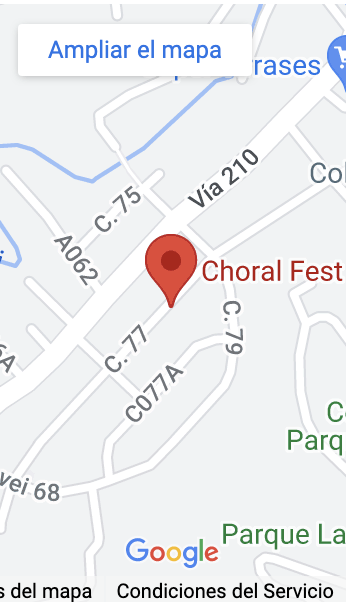
For ensembles seeking that kind of experience, purpose matters as much as destination. Programs such as Choral Fest Costa Rica speak to this need by placing artistic development beside peace, cultural exchange, and organized group support. That combination can turn a trip into a milestone rather than a moment.
A choir rarely returns from a meaningful international workshop exactly as it left. The voices may be the same, but the listening is different – and sometimes that is where the most lasting music begins.