
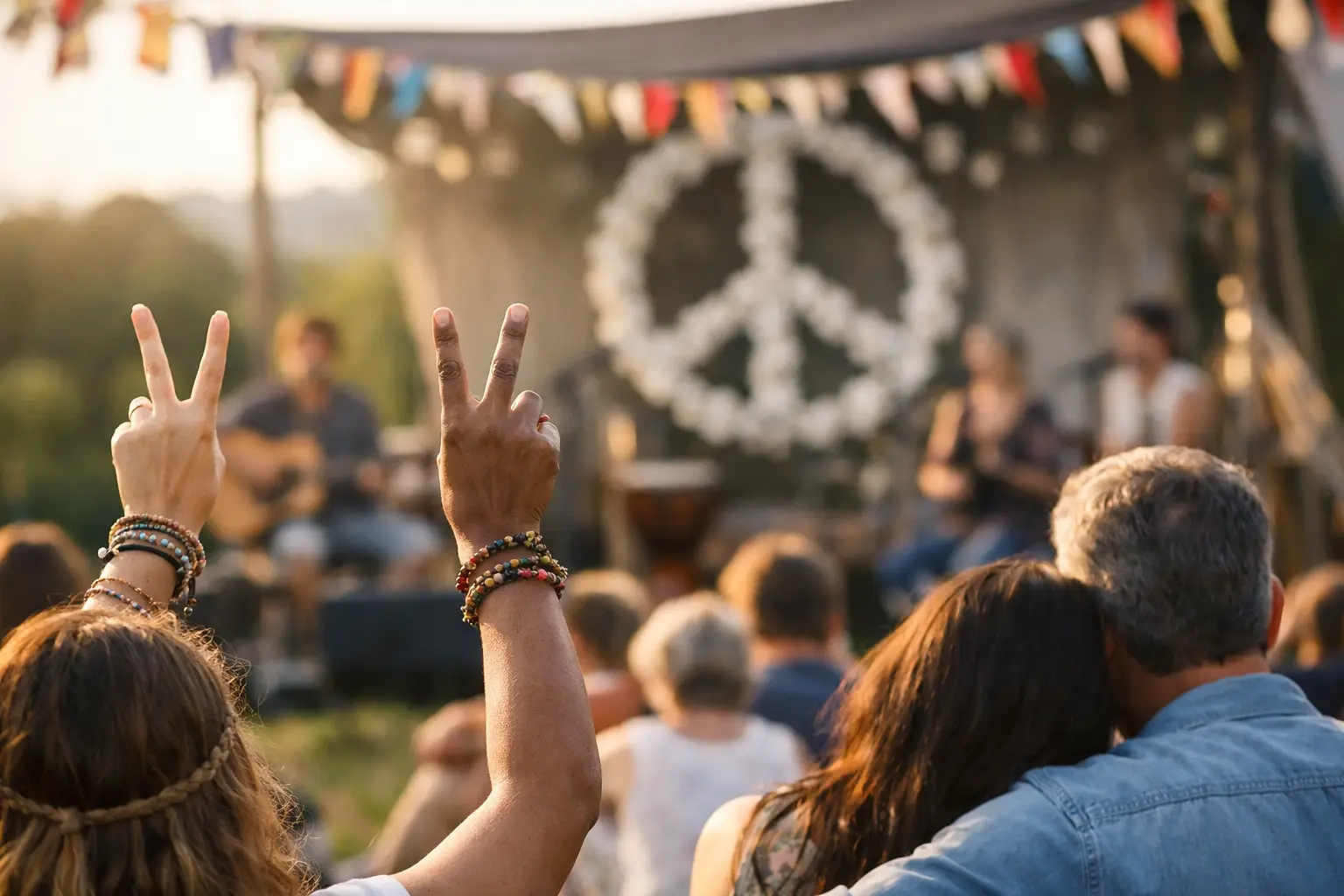
A final concert can be moving for many reasons: a full hall, a beautifully prepared program, the shared breath before a final chord. But what makes a peace festival different is what continues after the applause. It creates the conditions for singers from different places, traditions, and generations to recognize one another as partners in a common human story.
For choirs, that distinction matters. A festival can offer excellent venues and memorable repertoire, yet still feel like a series of separate performances. A peace festival asks more of the experience. It brings artistic standards, cultural curiosity, and human connection into the same room, then gives each one real attention. The result is not simply a performance tour. It is a gathering where music becomes a practice of listening, welcome, and shared purpose.
What Makes a Peace Festival More Than a Concert Series?
Peace is not a theme printed on a program cover. It is reflected in how people are invited, how they learn together, whose voices are heard, and what kind of impact remains in the host community. A meaningful festival creates moments of joy, certainly, but it also makes room for the humility and generosity that genuine exchange requires.
For a choir director, this can transform the value of international travel. Singers return home with more than photos and repertoire. They carry a clearer sense of their ensemble’s place in a larger world. Young singers may discover that a language they do not speak can still feel familiar when expressed through a melody. Adult singers may be reminded that growth does not end with technical achievement. It continues when we choose curiosity over assumption.
This does not mean every moment must be solemn. Celebration is essential. Dancing, sharing meals, enjoying Costa Rica’s natural beauty, and laughing through the challenges of a new pronunciation all build the trust that peace requires. The point is intentionality: the festival experience should connect these moments to a larger commitment to fellowship.
Shared Singing Creates a Common Language
Choral music is especially suited to peacebuilding because it asks people to do something rare: listen deeply while contributing fully. Every singer has a distinct voice, yet no one voice can carry the whole work. Balance, blend, rhythm, and phrasing depend on mutual awareness.
When singers from different countries rehearse together, that lesson becomes tangible. They may arrive with different conducting traditions, vocal colors, rehearsal habits, or ideas about performance etiquette. At first, these differences can be challenging. A combined choir needs time to establish a shared sound and a shared way of working. Yet that effort is part of the education. The ensemble learns that unity is not sameness. It is the ability to make space for one another while moving toward a common musical goal.
A strong peace festival therefore includes collaborative performances, not only individual choir appearances. Hearing another ensemble is valuable. Standing beside its members in a mass choir is transformative. In that moment, singers experience harmony as both a musical and civic act.
Repertoire Should Invite Meaningful Connection
Music selection shapes the emotional center of a festival. Repertoire that speaks to hope, dignity, reconciliation, nature, faith, or human belonging can help singers and audiences connect across language. At the same time, meaningful programming should not flatten cultural differences into a single, generic message of unity.
The best programs honor context. They include music from host cultures and participating traditions, with accurate language guidance and thoughtful interpretation. They can pair a well-known work with music that audiences may be hearing for the first time. A Costa Rican piece, for example, should be presented as living culture rather than a colorful addition to an international program.
It depends on the participating choirs and the artistic vision, but the principle remains steady: repertoire should encourage discovery, respect, and shared expression. Artistic excellence and accessibility are not opposing goals. With skilled preparation, they strengthen each other.
Learning Turns Inspiration Into Growth
A beautiful concert can inspire people for an evening. Learning helps that inspiration take root. Masterclasses, workshops, conductor sessions, and vocal coaching give singers and directors practical ways to grow while they are still inside the energy of the festival.
For directors, working with recognized conductors can offer fresh rehearsal strategies, interpretive ideas, and perspective on ensemble sound. For singers, a workshop may build confidence, introduce a new vocal approach, or reveal the expressive possibilities within familiar technique. These sessions are most powerful when they are collaborative rather than performative. Participants should feel invited to ask questions, try something new, and learn from one another.
A peace-centered educational program also makes room for conversation. Why does this song matter to its community? What responsibilities come with performing music from another culture? How can a choir create a more welcoming space at home? These questions are not a distraction from artistic work. They deepen it.
Cultural Exchange Must Be Mutual
Travel alone does not create cultural exchange. A group can visit a new country, stay within its own schedule, and leave with only a surface impression. A peace festival treats the host destination as a partner, not a backdrop.
That means creating opportunities for participants to meet local artists, learn about regional musical life, and encounter the stories behind the places they visit. It also means being mindful guests. Respect for local customs, environmental care, fair relationships with local providers, and thoughtful pacing all communicate that the festival values people as much as scenery.
Costa Rica offers a powerful setting for this work. Its landscapes invite wonder, while its cultural richness encourages visitors to look beyond the itinerary. When choirs perform in community spaces, share music with local audiences, or take part in outreach events, travel becomes reciprocal. Participants are not only receiving an experience. They are contributing their voices in service of connection.
Community outreach should never be treated as a photo opportunity. Its purpose is to create a sincere musical encounter. A short concert at a school, senior center, or community venue may not be the most polished event of the week, but it can be among the most meaningful if it is organized with care and respect.
Belonging Requires Thoughtful Organization
Idealism needs structure. Peacebuilding can only flourish when participants feel safe, informed, and supported. For group leaders, this includes clear schedules, realistic travel guidance, reliable lodging and transportation coordination, accessible communication, and a team prepared to respond when plans change.
These practical details are not separate from the mission. They are the mission in action. When a director knows where their ensemble needs to be, when singers have time to rest, and when families trust the travel plan, everyone is more available for the artistic and cultural experience.
Belonging also means designing for a wide range of participants. Youth choirs, church ensembles, school groups, and community choruses do not all travel with the same needs, budgets, or levels of experience. A thoughtful festival provides clear expectations while allowing room for different ensemble identities. It recognizes that a first-time international traveler may need more guidance than a seasoned touring singer, and that both deserve to feel fully included.
At Choral Fest Costa Rica, this balance between organized travel, artistic development, and shared purpose reflects a simple belief: when participants are cared for well, they can give more generously to the music and to one another.
The Lasting Measure Is What People Carry Home
The success of a peace festival cannot be measured only by ticket sales, concert attendance, or the size of a final chorus. Those things matter, but the deeper measure is what changes afterward.
Perhaps a choir begins programming more music by composers from cultures beyond its usual repertoire. Perhaps a student becomes more confident speaking with people whose backgrounds differ from their own. Perhaps a director returns with new artistic tools and a renewed sense of why their work matters. Perhaps singers who arrived as strangers continue exchanging messages, repertoire ideas, and invitations long after the festival ends.
These outcomes are not guaranteed. They require careful planning, willing participants, and a program that values reflection as much as spectacle. Still, music offers an extraordinary starting point. A choir already understands the discipline of showing up for one another. A peace festival expands that discipline beyond the rehearsal room.
The next time your ensemble considers a festival, look beyond the stage and ask what kind of community the experience will build. Choose the gathering that asks your singers not merely to perform well, but to listen bravely, learn generously, and carry harmony into the places they call home.