Guide for choir directors
International Choir Festivals: A Complete Guide for Choir Directors
International choir festivals can bring singers into new musical, cultural and human experiences — but not every festival offers the same kind of journey.
This guide explains how international choir festivals work, the different models directors may encounter, what choirs can experience and the questions worth asking before choosing where to sing abroad.
Understanding the experience
What is an international choir festival?
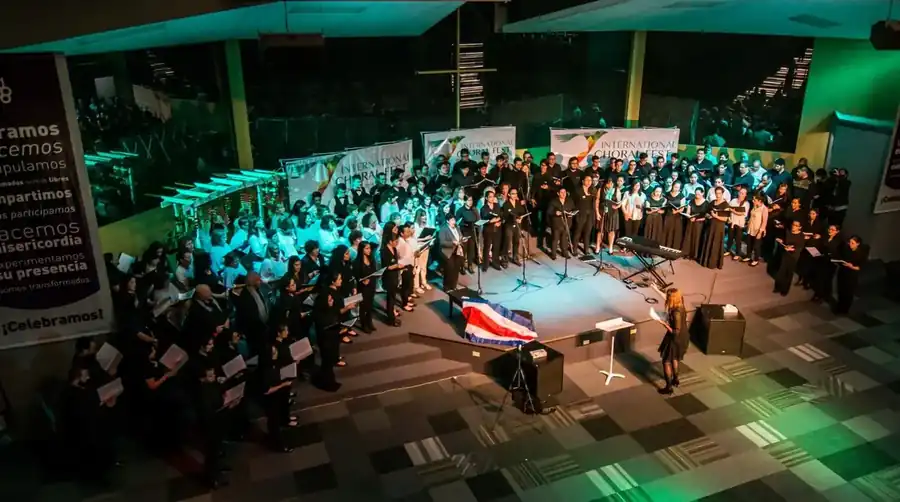
An international choir festival is an organized choral gathering where ensembles from different regions or countries come together to perform, learn, meet other singers and experience a host destination through music.
The word festival does not describe one single format. Some events are built around competition. Others focus on performance, learning, cultural exchange or singing together without rankings. Understanding that difference is one of the most important steps a choir director can take before applying.
Why choirs participate
More than another concert
Traveling to an international festival can give a choir something that a normal concert season rarely provides: a concentrated experience of music, discovery and shared purpose.
Perform
Sing for new audiences and present repertoire that represents the choir's artistic identity, community or country.
Learn
Experience different conductors, workshops, rehearsals, repertoire and approaches to choral music.
Connect
Meet singers and directors whose musical traditions, languages and perspectives may be very different.
Discover
Experience a destination not only as tourists, but through concerts, communities and meaningful encounters.
Festival models
International choir festivals are not all the same
Before comparing destinations, directors should first understand what kind of musical experience an event is designed to create.
| Festival model | Main purpose | What a choir may experience | Often suitable for |
|---|---|---|---|
| Competitive festival | Adjudication and measurable artistic performance | Jury evaluation, categories, scores, rankings or awards | Choirs seeking competitive goals and external artistic assessment |
| Non-competitive festival | Performance, exchange and shared musical experience | Concerts, encounters, workshops and collaborative singing without rankings | Choirs prioritizing connection, learning and cultural exchange |
| Educational festival | Musical development | Workshops, clinics, rehearsals, coaching and work with guest conductors | Ensembles wanting learning to be a central part of the journey |
| Performance-focused festival | Concert experience | Multiple performances in different venues or communities | Choirs wanting to share repertoire with new audiences |
| Cultural-exchange festival | Music as a bridge between communities | Performances combined with interaction, local experiences and shared activities | Choirs seeking a strong human and cultural dimension |
These models can overlap. A festival may combine education, performance and cultural exchange, while another may combine competition with workshops or non-competitive activities. Directors should therefore evaluate the actual program rather than relying only on the event's name.
An important distinction
Competitive or non-competitive?
One of the first questions directors should ask is whether their singers want to be evaluated against defined criteria or whether they are looking primarily for performance, learning and exchange.
A competitive festival can provide clear artistic goals, adjudication and external feedback. For some ensembles, preparing for evaluation can sharpen focus and motivate singers.
A non-competitive choir festival removes ranking from the center of the experience. The emphasis can then move toward listening to other ensembles, sharing repertoire, meeting communities and experiencing what happens when singers from different backgrounds make music in the same space.
Inside the festival
What happens at an international choir festival?
Programs vary widely, but several experiences appear frequently across international choral gatherings.
Concerts
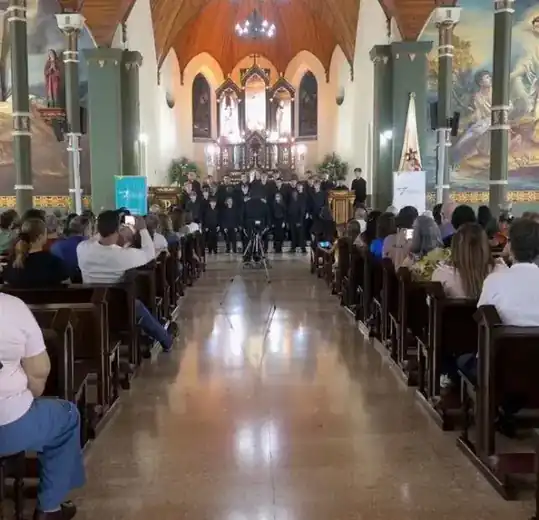
Choirs may perform individually, share concerts with other ensembles or sing in community and gala events.
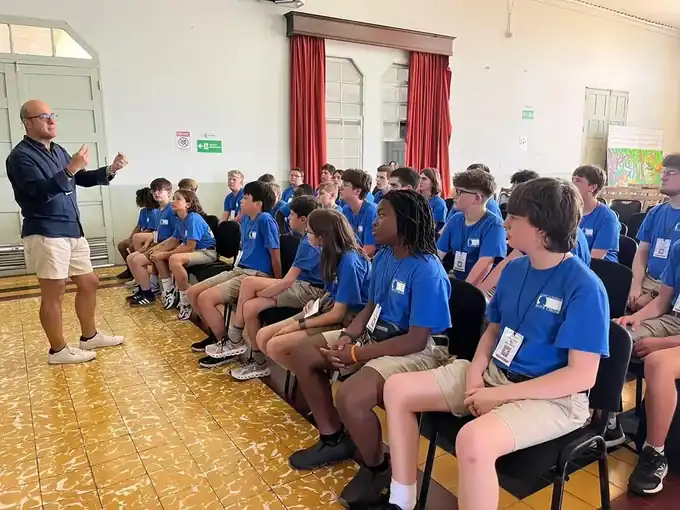
Workshops and rehearsals
Educational sessions can introduce singers to new techniques, repertoire, conductors and musical traditions.
Shared repertoire
Some festivals invite participating choirs to learn common songs and eventually perform them together.
Cultural encounters
Music can become a starting point for discovering the people, traditions and everyday life of the host destination.
Community experiences
Certain festivals connect visiting ensembles with schools, local choirs, churches or community audiences.
Time together
Traveling, rehearsing and discovering a destination together can strengthen relationships inside the choir itself.
Who participates?
International choir festivals can serve very different ensembles
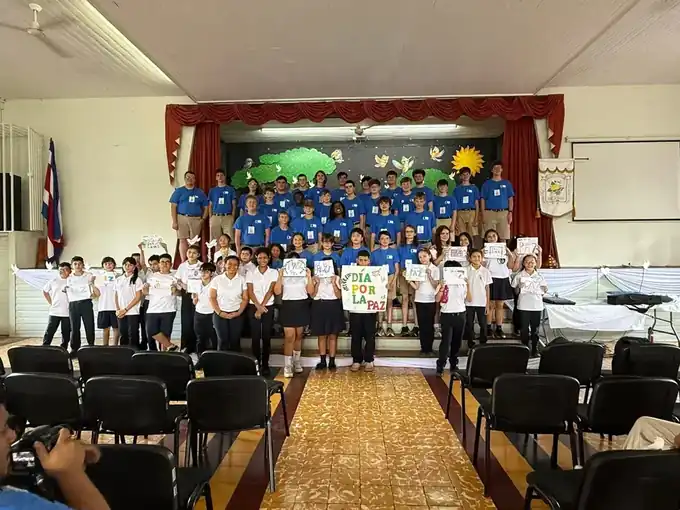
Depending on the event, participants may include children's, youth, school, university, church, community, adult and chamber choirs as well as vocal ensembles.
Some festivals are highly specialized. Others intentionally bring together ensembles of different ages and traditions.
Directors should never assume that a festival is appropriate simply because it accepts their choir category. The more important question is whether its musical expectations, atmosphere, repertoire, schedule and purpose fit the ensemble.
For choir directors
How to choose an international choir festival
The strongest decision usually begins with the choir — not with the destination.
Before applying
Questions worth asking the festival organizer
- Is the festival competitive, non-competitive or a combination?
- How are participating choirs selected?
- How many performances should the choir expect?
- What repertoire requirements apply?
- Are workshops or shared rehearsals part of the program?
- Will choirs interact with one another beyond concerts?
- Are community or cultural experiences part of the festival?
- What responsibilities remain with the choir?
- What documents define the official conditions?
- What happens after the initial application?
Specific travel costs, passports, fundraising and international travel timelines deserve their own planning process. Our Choir Trips Abroad guide covers that wider travel-planning territory.
Two related ideas
International choir festival or choir tour?
They often involve similar travel, but they are not the same thing.
International choir festival
The choir joins an organized event shared with other ensembles. The festival creates the artistic framework, dates and central program.
Choir tour abroad
The journey itself is usually designed around the choir and may include independent concerts, destinations, educational experiences and customized travel.
For the complete planning perspective, visit Choir Trips Abroad: Complete Guide for Choir Directors .
Beyond the stage
Cultural exchange can change the meaning of the journey
An international festival becomes especially meaningful when singers do more than arrive, perform and leave.
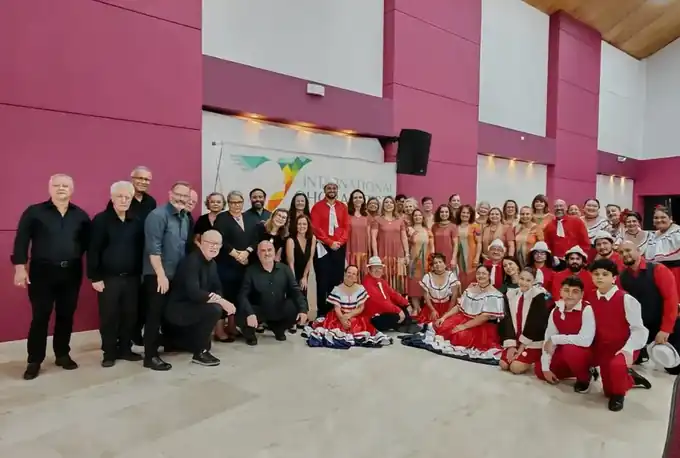
Listening to another choir, speaking with singers after a concert, learning music together or singing for a local community can turn an unfamiliar place into a human encounter.
For directors, this means asking not only “Where will we perform?” but also “Who will our singers meet?”
That distinction can help separate a simple performance opportunity from an experience that remains meaningful long after the final concert.
Choosing a destination
The country is part of the festival experience
International choir festivals take place in very different cultural settings. Destination matters, but not simply because of sightseeing.
Musical context
Local repertoire, traditions, venues and other participating ensembles shape what singers hear and learn.
Human context
Community interaction can help singers understand a destination through people rather than only attractions.
Cultural context
Language, history, food, nature and daily life can all become part of what the choir remembers.
One example
Choral Fest Costa Rica for Peace: a non-competitive model
Choral Fest Costa Rica for Peace is a non-competitive international choral festival in Costa Rica built around concerts, workshops, community experiences, cultural exchange, common songs and meaningful encounters among choirs.
The festival does not use rankings as the center of the experience. Its purpose is to bring choirs, conductors and communities from different countries together through music, peace, cultural exchange and human connection.
This is one example of the broader non-competitive festival model described in this guide. Directors interested in the current Choral Fest edition should use the festival's dedicated edition page rather than this evergreen guide.
Continue your research
Choose the next guide based on your goal
Festival selection and international travel are related, but each deserves its own planning process.
Frequently asked questions
International choir festivals: quick answers
Clear answers to some of the questions directors often consider when researching festival opportunities.
What is an international choir festival?
An international choir festival is an organized choral gathering where ensembles from different regions or countries come together to perform, learn and share musical or cultural experiences. Programs may include concerts, competitions, workshops, rehearsals, common repertoire and community activities.
Are all international choir festivals competitions?
No. Some international choir festivals include adjudication, rankings or awards, while others are non-competitive and focus primarily on performance, education, cultural exchange and connection among participating choirs.
What is a non-competitive choir festival?
A non-competitive choir festival brings ensembles together without making rankings or scores the central purpose. Concerts, workshops, shared singing, cultural exchange and interaction among choirs may instead form the core of the experience.
How should a director choose an international choir festival?
Begin by defining what the choir hopes to gain from the experience. Then compare the festival's artistic model, repertoire expectations, performances, educational opportunities, cultural exchange, participant profile and official conditions.
What types of choirs participate in international festivals?
Eligibility depends on the festival. International events may welcome children's, youth, school, university, church, community, adult and chamber choirs as well as other vocal ensembles.
Is an international choir festival the same as a choir tour?
Not necessarily. A festival places the choir inside an organized event shared with other ensembles. A choir tour is generally built around the traveling ensemble itself and may include independent concerts, destinations and customized activities.
Where can directors learn about international choir travel planning?
Travel logistics, budgets, preparation, timelines and related planning are covered separately in the Choral Fest Costa Rica Choir Trips Abroad guide for choir directors.
Music · Culture · Connection
The right festival begins with the right question
Before asking where your choir should travel, ask what you hope your singers will experience. Competition, learning, performance, cultural exchange and community can lead to very different journeys.
Our Partners and Allies for Peace