
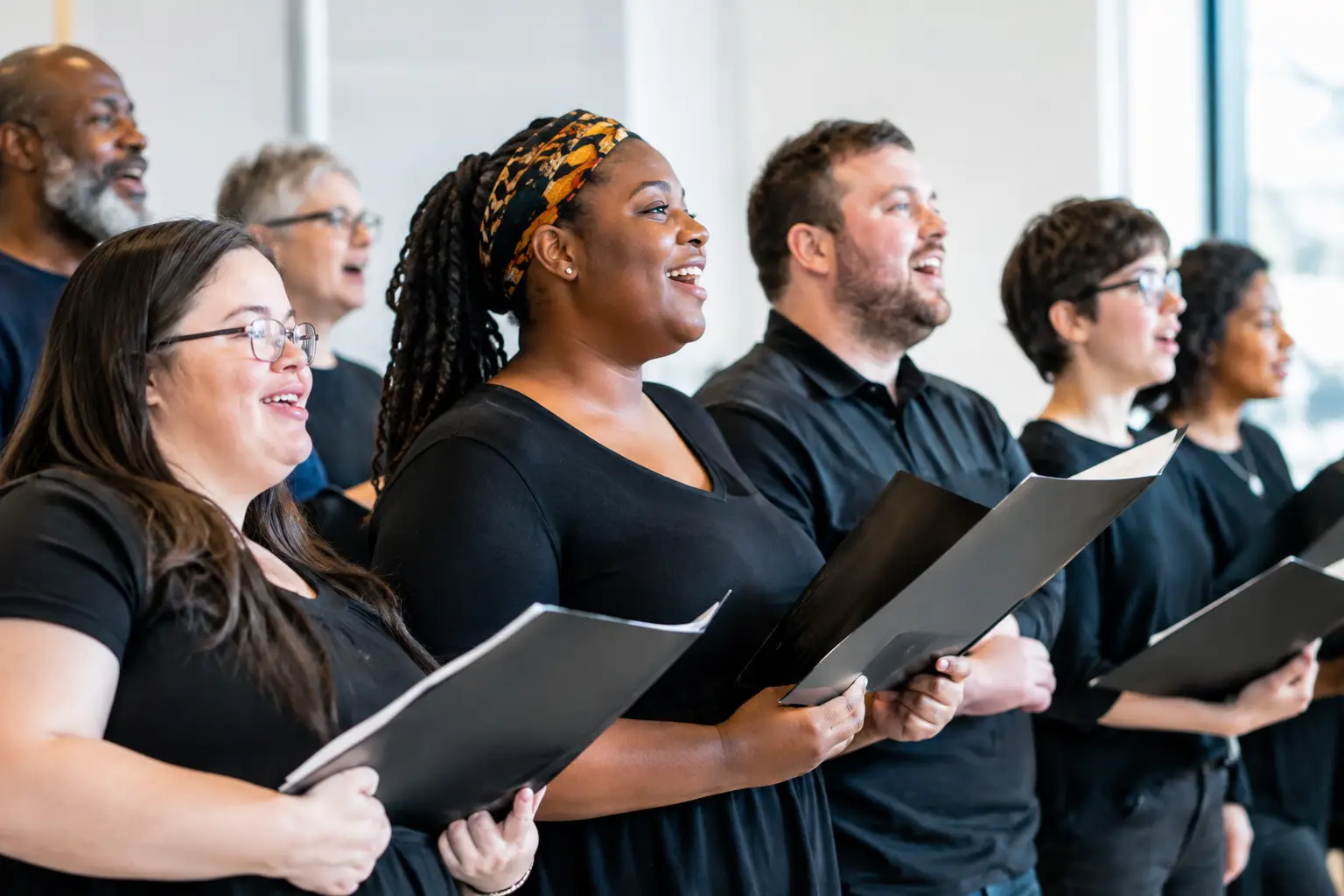
A festival chorus can be one of the rare places where singers from different nations, generations, languages, and musical traditions breathe together toward the same final chord. The future inclusive choral festivals will be defined by how intentionally they create that experience – not only on stage, but from the first invitation to the final farewell.
For choir directors, that shift matters. A meaningful international festival must still offer musical challenge, exceptional conductors, and memorable performance opportunities. Yet artistic quality alone is no longer enough. Ensembles are looking for events where every singer can participate with dignity, where travel has a purpose beyond sightseeing, and where the music builds real fellowship across cultures.
Inclusion Is a Festival Design Choice
Inclusive does not simply mean that everyone is welcome in theory. It means the program, venues, schedule, repertoire, communications, and travel experience are designed with a wide range of people in mind.
A young singer attending their first international event, an adult chorister returning to music after many years, a participant with mobility needs, and a director bringing a choir with limited travel experience should all be able to understand how they belong. That requires clear information before registration, thoughtful support during travel, accessible venues where possible, and a culture in which questions are met with care rather than assumption.
For organizers, this work is practical as well as values-driven. Clear schedules, transparent costs, dietary planning, transportation coordination, and well-communicated expectations reduce uncertainty for directors and families. When logistics are organized with empathy, singers have more freedom to focus on the music and the people around them.
There will always be trade-offs. A historic performance site may be inspiring but less accessible than a modern concert hall. A packed itinerary may offer more cultural highlights but leave little room for rest. Inclusion is not about claiming that every barrier has disappeared. It is about identifying barriers early, communicating honestly, and making choices that allow more people to take part fully.
Artistic Excellence Should Invite More Voices
Some leaders worry that broad access will lower artistic standards. The strongest festivals show the opposite. Inclusion can deepen musical excellence because it asks conductors, clinicians, and participants to listen with greater curiosity.
A masterclass led by a recognized conductor can challenge an advanced ensemble while still offering useful insight to singers from community, school, church, and youth choirs. The key is not to flatten the learning experience. It is to create multiple entry points: clear rehearsal goals, musical materials shared in advance, patient teaching, and repertoire that rewards both preparation and attentive listening.
Programming matters greatly. A festival chorus should not treat international music as decoration between familiar selections. Repertoire can introduce singers to living composers, indigenous traditions, regional languages, spirituals, folk music, sacred works, and contemporary pieces that speak to shared human concerns. Context is essential. When singers learn where a piece comes from, who carries its tradition, and how to approach it respectfully, performance becomes an act of exchange rather than consumption.
This also creates an opportunity for directors. They return home with fresh repertoire, rehearsal ideas, and a clearer sense of how their ensemble can engage the wider world. A festival’s impact should continue long after the concert applause ends.
Representation Needs Depth, Not Symbolism
A diverse concert program is meaningful only when representation extends beyond the page. Whose musical knowledge shapes the workshops? Which local artists are invited to teach? Are host communities presented as a backdrop, or are they genuine partners in the event?
The future of festival programming depends on relationships built with care. Local musicians, cultural leaders, educators, and community organizations should have space to share their own voices and perspectives. This may require more planning than a standard tour model, but it produces an experience that is more truthful, more educational, and more memorable for visiting choirs.
Future Inclusive Choral Festivals Put Belonging First
Belonging is often created in small moments: a conductor learning how to pronounce a singer’s name, a host choir welcoming visitors at rehearsal, a shared meal where strangers become section mates, or a quiet conversation after a community concert.
These moments do not happen by accident. Festivals can encourage them through collaborative performances instead of isolated choir appearances, mixed seating and social activities, shared workshops, and carefully facilitated cultural encounters. When singers only perform for one another, the event can feel like a showcase. When they rehearse, learn, serve, and celebrate together, it becomes a temporary global family.
Language should be considered as part of that welcome. Not every participant will arrive fluent in the same language, and not every cultural custom will be familiar. Warm, plain communication helps people navigate the experience confidently. So does setting a respectful tone from the beginning: listen generously, ask before assuming, and recognize that each choir arrives with its own history and identity.
For youth ensembles especially, this environment can be transformative. Young people may remember a beautiful venue or an exciting excursion, but they often carry the human lesson further: someone from another country sang beside me, and we understood one another through music.
Peacebuilding Must Be More Than a Theme
Choral singing does not erase conflict or solve every social division. It can, however, practice the skills that peace requires: listening, discipline, shared responsibility, patience, and the willingness to make room for another voice.
That is why a peace-centered festival has a special responsibility. Its message should be reflected in the way singers are treated, in the communities it visits, and in the partnerships it builds. Outreach concerts, intercultural conversations, and service-minded activities can connect artistic achievement with local impact. The goal is not to arrive as visitors who perform and depart. It is to participate with humility and leave a relationship behind.
Costa Rica offers a meaningful setting for this work. Its natural beauty, cultural richness, and longstanding association with peace invite choirs to consider what music can contribute to a more connected world. At Choral Fest Costa Rica, that invitation takes shape through collaborative singing, artistic learning, cultural exchange, and experiences designed to bring people together with purpose.
What Choir Directors Should Look For
When evaluating an international festival, directors should look beyond the concert venue and the destination images. Ask how the event supports participants before and during travel. Consider whether the artistic team offers credible educational value, whether the schedule allows singers to be present rather than exhausted, and whether community engagement is built into the program with respect.
It is also wise to ask what the festival means by inclusion. A thoughtful organizer can explain how it approaches accessibility, communication, cultural partnership, participant safety, and varied levels of choral experience. No event will be perfect for every ensemble. A large auditioned choir may need a different musical environment than a multigenerational community chorus. The right choice depends on your singers, your goals, and the kind of growth you hope to inspire.
The most valuable festivals give directors confidence in the details while leaving room for wonder. They offer organized travel support and clear planning, but they also create space for the unplanned moments that turn a group trip into a shared story.
The next generation of choral festivals will not be measured only by attendance totals, famous venues, or polished final concerts. It will be remembered by the people who felt seen, challenged, welcomed, and changed. Bring singers to experiences that ask them not merely to perform beautifully, but to listen deeply and carry harmony into the communities they call home.