
The history of choral music spans thousands of years, from communal singing in ancient civilizations and medieval Gregorian chant to Renaissance polyphony, Baroque oratorios, Romantic masterpieces and today’s global and virtual choirs. This guide traces the major periods, composers and musical innovations that shaped how choirs sing today.
Understanding the history of choral music helps singers and directors hear today’s repertoire as part of a much larger story shaped by religion, theater, community, technology and cultural exchange.
Ancient Origins of Choral Music
The history of choral music begins long before modern notation, in communal singing connected with ceremony, storytelling, worship and theater.
The history of choral music dates back to ancient civilizations, where singing in groups was a common practice. The earliest forms of choral music can be traced to ancient Greece, where choral performances were a central part of religious ceremonies and theatrical productions. The Greek chorus, a group of singers who commented on the action in a play, is one of the earliest examples of choral music.
In ancient Rome, choral music was also prevalent, particularly in the form of hymns sung in honor of the gods. These early choral traditions laid the foundation for the development of choral music in the Western world.
For a broad definition of the art form itself, see What Is Choral Music?.
The Medieval Period
The medieval period is a decisive chapter in the history of choral music because chant and early polyphony helped establish musical practices that influenced later Western composition.
The medieval period saw the emergence of Gregorian chant, a form of plainsong used in the Roman Catholic Church. Named after Pope Gregory I, Gregorian chant was characterized by its monophonic texture, meaning it consisted of a single melodic line without harmony or accompaniment. This form of choral music was integral to religious services and played a key role in the development of Western music.
For additional historical background, see Encyclopaedia Britannica’s overview of Gregorian chant.
During the later medieval period, polyphony began to emerge. This technique involved multiple independent melodic lines sung simultaneously, creating a more complex and rich texture. The Notre Dame School, a group of composers working in Paris in the 12th and 13th centuries, was instrumental in the development of early polyphony.
The Renaissance Era
In the history of choral music, the Renaissance stands out for refined polyphony, balanced vocal writing and the flowering of sacred and secular ensemble forms.
The Renaissance era, spanning roughly from the 14th to the 17th century, was a golden age for choral music. Composers such as Josquin des Prez, Giovanni Pierluigi da Palestrina, and Thomas Tallis made significant contributions to the choral repertoire. Polyphony reached new heights during this period, with intricate interweaving of vocal lines becoming a hallmark of Renaissance choral music.
One of the most notable developments of the Renaissance was the use of imitative counterpoint, where one voice would introduce a melodic idea that would then be echoed by other voices. This technique added depth and complexity to choral compositions, creating a rich tapestry of sound.
Two important Renaissance forms are compared in Motet vs. Madrigal.
The Baroque Period
The Baroque transformed the history of choral music by expanding the relationship between choir, soloists and instruments on a much larger dramatic scale.
The Baroque period, which lasted from the late 16th century to the early 18th century, marked a time of great innovation in choral music. Composers such as Johann Sebastian Bach, George Frideric Handel, and Claudio Monteverdi expanded the boundaries of choral composition. The Baroque period is known for its dramatic expressiveness, ornate musical lines, and the use of basso continuo, a continuous bass line that provided harmonic support.
Bach’s choral works, including his famous “Mass in B Minor” and numerous cantatas, are considered some of the greatest achievements in Western music. Handel’s “Messiah,” with its iconic “Hallelujah” chorus, remains one of the most beloved choral works of all time.
For a closer look at major Baroque vocal forms, explore Oratorio vs. Cantata.
The Classical and Romantic Eras
The Classical and Romantic eras added new formal clarity, orchestral color and emotional scale to the history of choral music.
The Classical era, from the mid-18th to the early 19th century, saw a shift towards clarity, balance and form in music.
Composers such as Wolfgang Amadeus Mozart and Joseph Haydn made significant contributions to choral repertoire. Mozart’s Requiem and Haydn’s The Creation demonstrate the elegance and emotional depth associated with Classical choral writing.
The Romantic era brought a heightened emphasis on emotion and individual expression.
Composers such as Johannes Brahms, Felix Mendelssohn and Giuseppe Verdi created choral works that were grand in scale and deeply expressive. Brahms’ A German Requiem and Verdi’s Requiem are notable examples, with expansive harmony and strong dramatic impact.
The 20th Century and Beyond
The modern history of choral music reflects experimentation, international exchange, new technologies and increasingly diverse musical languages.
The 20th century witnessed a diverse range of styles and approaches in choral music. Composers such as Igor Stravinsky, Benjamin Britten, and Arvo Pärt explored new harmonic languages and innovative techniques. Stravinsky’s “Symphony of Psalms” and Britten’s “War Requiem” are significant contributions to the choral repertoire.
In the latter half of the 20th century and into the 21st century, choral music continued to evolve with the advent of new technologies and global influences. Contemporary composers like Eric Whitacre and Morten Lauridsen have embraced the possibilities of digital media and virtual choirs, bringing choral music to a wider audience through online platforms.
Continue the chronological story in The Evolution of Choral Music: From Gregorian Chant to Contemporary Choir.
The Enduring Appeal of Choral Music
Choral music’s enduring appeal lies in its ability to bring people together through shared listening, rehearsal and performance. Across schools, faith communities, universities, professional ensembles and community choirs, group singing continues to support artistic expression, education, belonging and cultural memory.
Choral music also has the power to convey deep emotions and tell compelling stories. Whether it’s the serene beauty of a Renaissance motet, the dramatic intensity of a Baroque oratorio, or the modern harmonies of contemporary choral works, choral music resonates with audiences on a profound level.
Actionable Tips for Exploring Choral Music
If you’re new to choral music or looking to deepen your appreciation, here are some actionable tips to get started:
Attend Live Performances
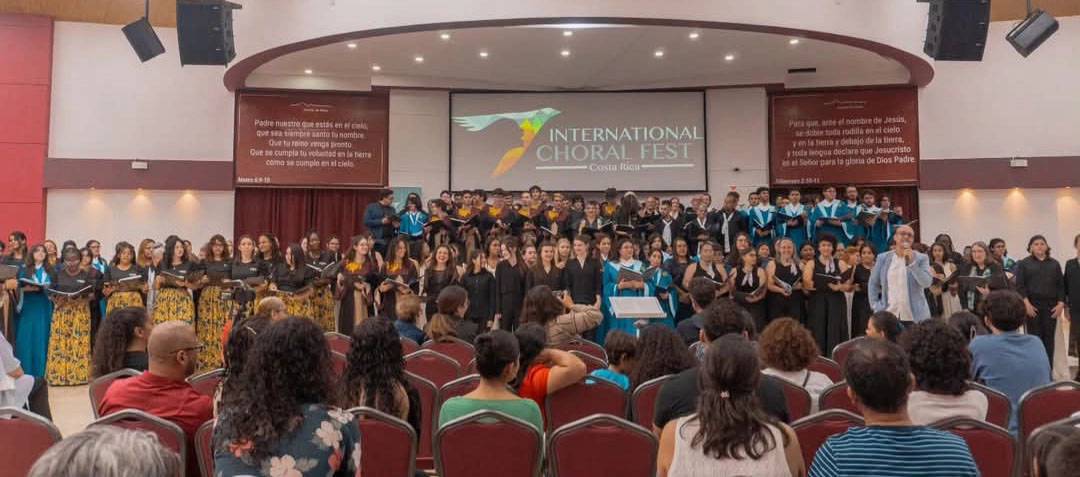
Experiencing choral music live can be incredibly moving. Look for local choirs, concert series, and music festivals in your area — including international gatherings like the Choral Fest Costa Rica for Peace, where choirs from many countries perform side by side across centuries of repertoire. Many choirs also offer virtual performances that you can enjoy from the comfort of your home.
Explore Recordings
There is a wealth of recordings available that showcase the breadth of choral music. Streaming services, such as Spotify and Apple Music, offer curated playlists and albums from renowned choirs and composers. Start with some of the classic works mentioned in this post and explore from there.
Join a Choir
Singing in a choir is a wonderful way to experience choral music firsthand. Many communities have choirs open to singers of all levels. Joining a choir can help you develop your vocal skills, meet new people, and enjoy the camaraderie of making music together.
Learn About Choral History
Understanding the historical context of choral music can deepen your appreciation. There are numerous books, documentaries, and online resources that explore the history and evolution of choral music in greater detail.
For a broader reference on vocal traditions, consult Encyclopaedia Britannica’s guide to vocal music.
Use Types of Choral Music to compare sacred, secular, a cappella, gospel, classical and contemporary traditions, or return to our Complete Guide to Choir Singing for the practical side of choral participation.
Conclusion
The history of choral music shows how collective singing has continually adapted to new beliefs, technologies, performance spaces and cultural encounters.
The history and evolution of choral music is a fascinating journey through time, marked by creativity, innovation, and a deep connection to the human experience. From ancient chants to modern masterpieces, choral music continues to inspire and uplift. Whether you’re a seasoned choral enthusiast or new to this beautiful art form, there’s always more to discover and enjoy in the world of choral music.
We hope this exploration of the history and evolution of choral music has enriched your understanding and appreciation of this timeless art form. Happy listening!
Timeline of Choral Music History
Choral music has developed continuously across civilizations, religious traditions, concert halls and communities. This timeline summarizes the major stages in its evolution.
Ancient Civilizations
Group singing formed part of ceremonies, storytelling and community life. In ancient Greece, choruses played an important role in worship and theatrical performances.
Medieval Period
Gregorian chant became central to Christian worship. Later, polyphony introduced several independent vocal lines sung at the same time.
Renaissance Era
Composers such as Josquin des Prez, Palestrina and Thomas Tallis developed refined polyphonic writing and imitative counterpoint.
Baroque Period
Bach, Handel and Monteverdi expanded choral music through cantatas, passions, masses and oratorios with greater drama and instrumental accompaniment.
Classical and Romantic Eras
Mozart, Haydn, Brahms, Mendelssohn and Verdi created large-scale choral works combining formal balance with powerful emotional expression.
20th Century
Choral composers explored new harmonies, rhythms and cultural influences. Important works emerged from composers such as Stravinsky, Britten and Arvo Pärt.
Choral Music Today
Contemporary choirs perform music from many cultures and styles. Digital platforms, international festivals and virtual choirs now connect singers across borders.
Frequently Asked Questions About Choral Music History
What period is often considered a golden age of choral music?
The Renaissance is frequently described as a golden age because composers developed highly refined polyphony, imitative counterpoint and major sacred and secular vocal forms.
How did instruments change choral music during the Baroque period?
Baroque composers increasingly combined choirs with continuo, orchestras and soloists, creating larger dramatic forms such as cantatas, Passions and oratorios.
How did Romantic choral music differ from Classical choral music?
Romantic composers generally expanded harmonic color, emotional intensity and orchestral scale, while Classical works often emphasized formal clarity and balance.
What changed in choral music during the 20th century?
Composers explored new harmonic languages, irregular rhythms, extended vocal techniques, global influences and new relationships between choir, instruments and text.
How has technology changed choral music?
Recording, streaming, digital scores, online rehearsal tools and virtual choir projects have expanded how singers learn, collaborate and reach audiences.
Is choral history only a Western tradition?
No. Group singing has existed in cultures around the world for centuries. Western written choral history is only one part of a much broader global tradition of communal vocal music.
Why should singers learn choral history?
Historical knowledge helps singers understand style, text, pronunciation, phrasing, instrumentation and the cultural context behind the music they perform.
When did choral music begin?
Choral music has ancient roots. Group singing formed part of ceremonies, worship and storytelling in early civilizations, including ancient Greece and Rome.
What is the oldest form of choral music?
Some of the earliest documented Western choral traditions include Greek choruses and later Gregorian chant, which became central to medieval Christian worship.
How did choral music develop during the Middle Ages?
Medieval choral music began largely with monophonic chant. Over time, composers introduced polyphony, allowing several independent vocal lines to be sung simultaneously.
Why was the Renaissance important for choral music?
The Renaissance brought major advances in polyphony, counterpoint and vocal balance. Composers such as Palestrina, Josquin des Prez and Thomas Tallis helped shape the sound of Western choral music.
What changed during the Baroque period?
Baroque composers expanded choral music through cantatas, masses, passions and oratorios. Instrumental accompaniment and dramatic expression became increasingly important.
Why is choral music still important today?
Choral music continues to build community, preserve cultural traditions, support education and connect singers across countries, languages and generations.
What is a virtual choir?
A virtual choir brings together separately recorded singers through digital technology. Their individual performances are combined into a single online choral presentation.
Plan Your Choir’s Journey
Ready to take the next step? Explore what a choir trip to Costa Rica looks like, review the Base Program 2027, or apply to bring your choir to Choral Fest Costa Rica. Have questions? Get in touch with our team.